
Dear Friends,
Sadly, I was not at the Berkshire Annual Meeting this weekend, but I got a readout from my die-hard friends on the ground. Despite smaller numbers, true believers were out in force, and the community, as Ted Merz noted, still had a blast. People are happily impressed with Greg Abel, Berkshire's business operating earnings grew 17% last quarter, and the pile of cash remains for finding deals.
Every year, the Berkshire meeting is on the same day as the Kentucky Derby, and there’s little notice taken. But this year, the Derby might reign because who doesn’t love a good “underdog that makes it a big” story? Cherie DeVaux, Jose Ortiz and Golden Temple stole the show this weekend, coming all the way from the back to win it all. To add to the drama: Jose won while his brother Irad earned second place. The New Yorker wrote about them in 2017: “What makes the Ortizes so good has something to do with an ineffable equine intuitiveness which is the key to getting the animals to relax.” That probably won’t be enabled by AI.
Today's Contents:
Sensible Investing:
Weeklies: Selfie & Song
Sensible Investing
AI Isn’t Coming for Your Job. It’s Coming for Your Mind. This article, produced by an analyst at Baillie Gifford, takes the idea of AI de-skilling a bit further and with more nuance. Key line includes:
Literacy repurposed neural circuits to create new capabilities at the cost of others. People who learn to read gain the ability to decode written language but show reduced face-recognition capacity in the left hemisphere. AI appears to be making a different trade. It is redirecting cognitive circuits away from deep processing, memory consolidation and effortful reasoning, and towards a new suite of cognitive skills: delegation, verification and interface management.
Also…
Every time AI eliminates the friction from an effortful task, it may be removing precisely the stimulus that builds the neural infrastructure of persistence and self-regulation. AI’s removal of cognitive struggle is not merely a learning problem. It is potentially a problem of brain development itself.
I was telling a non-tech founder who homeschooled his kids that I was the best investor in homeschooling and alternative education. Not in all the deals, just the best ones and the earliest.
My VC friend responded: ‘Why don’t you talk about that more?! It’s really impressive.’
I answer that a few years ago, after having listened to many of my stories, my husband said that being the best venture investor in EdTech is like saying you are the best real estate agent in Haiti.
I get advice like this for free! You only get promoted to the upper echelons of strategy consulting if you can exert strategic influence with a single analogy.
And that he was right! Yes, you can make returns in this sector, but it’s easier to make risk-adjusted returns elsewhere, and the likelihood of truly massive success is much higher in other sectors. Only the naive or a fool would believe the contrary, which is why investment capital has cooled (graph below).
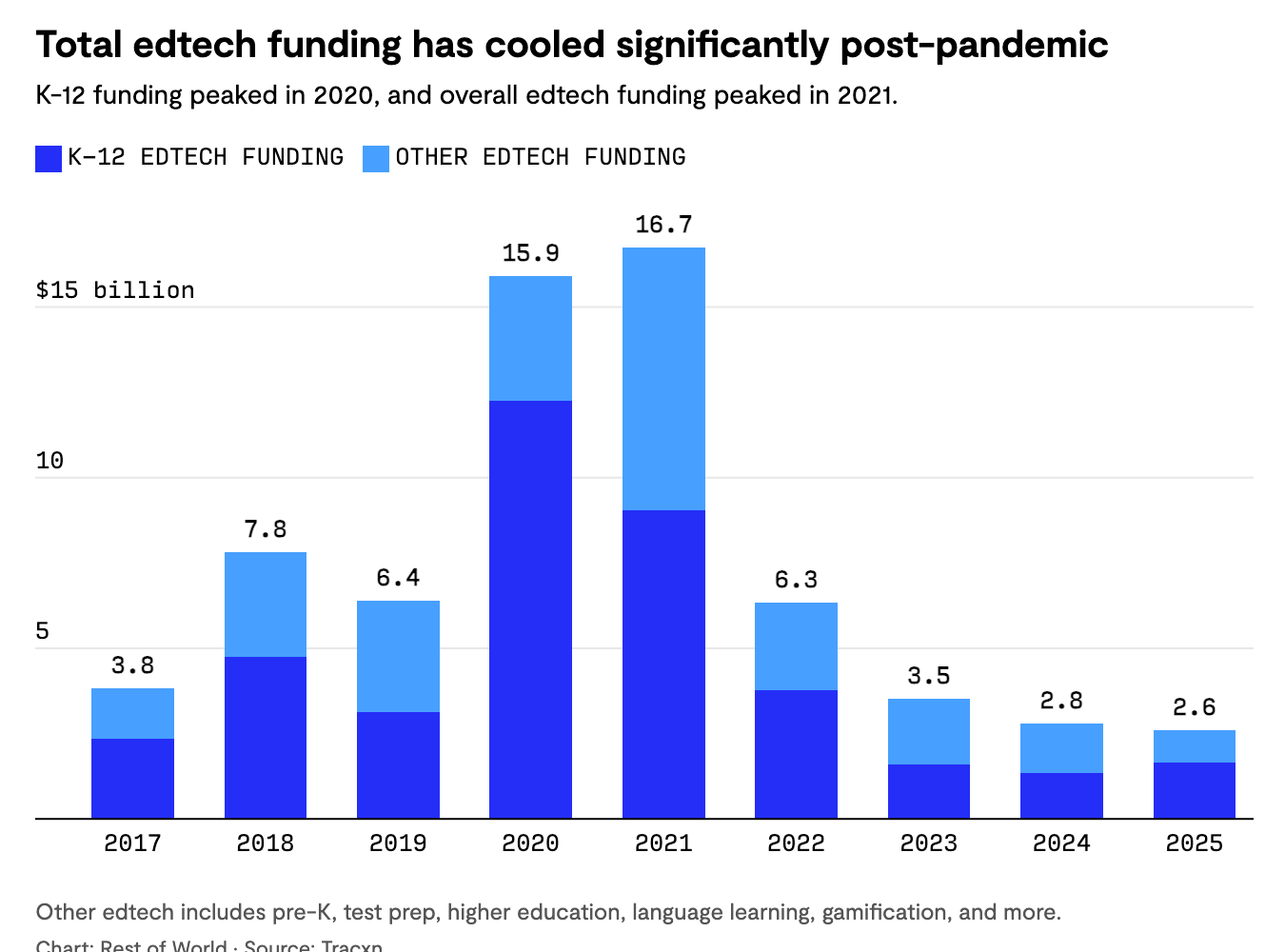
It’s been a bit since we talked about EdTech and education, but the headline is that while there are some big changes in the sector, the change happens slowly, unit economics are hard, and most of the profit pool goes to the big consumer tech companies (OpenAI, Anthropic) or the last-mile delivery mechanisms (well-managed schools, focused online operators like Tonguc, etc.). The US K12 industry avalanche is the pressure on the system resulting from the move toward funding students in alternative educational models, such as microschools and homeschooling.
There has also been a lot of chatter recently about how bad EdTech is for learning and in schools. It’s important to distinguish between what most people talk about when they talk about EdTech, which is sad legacy-industry products or not much-adapted FAANG slop (Chromebooks, YouTube, Fire Tablets), and what EdTech could be - highly-targeted, efficaciously-designed learning accelerators that are implemented into a school setting with fidelity. That basically doesn’t happen unless the school is designed specifically.
There are still some interesting pedagogy-forward companies that are tackling tough problems and gaining traction, but it’s going to take a while. In the meantime, they won’t be household names or need that much capital.
Weeklies: Selfie & Song
Selfie: Wine Country, EdTech, Composition
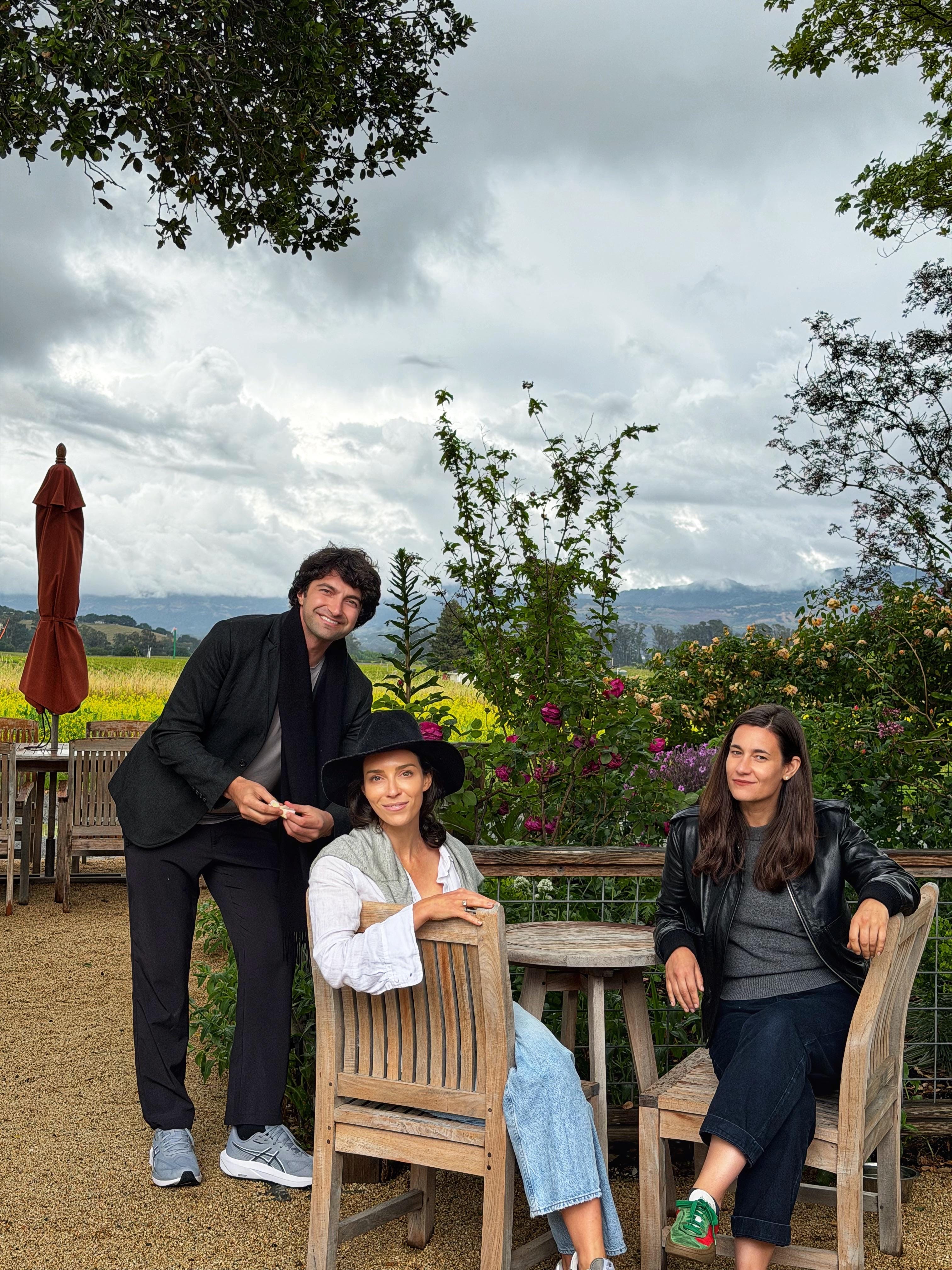
This is a well-composed photo of friends on a half-day trip to wine country. A wonderful way to spend time and a reminder to enjoy the simple moments.
Featuring on the left is Mehmet Tuğutlu. He is the founder and CEO of Tonguc Academy, the largest education technology company in Turkey with over 16 million subscribers. Mehmet radiates a joyful ease that probably comes from something innate but certainly isn’t hindered by running a highly successful, cash-generating business with no outside investors. His business is one of the winning models in education because it deeply understands its customers and is a trusted, long-term local brand. Mehmet has been an avid adopter of AI tools like ElevenLabs to provide more curriculum and tutoring at a lower cost. That’s a direct relationship and requires no intermediary.
Song of the Week:
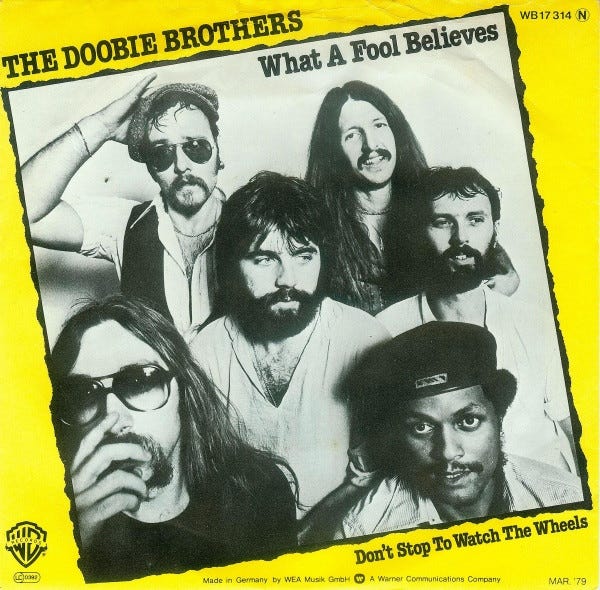
Here on YouTube.
This song tells the story of the delusions that we sometimes tell ourselves about former romances. The lesson is more interesting than that narrow case about knowing the truth before allowing yourself to believe. Seek an accurate reality rather than false hope or misread signals.
I was reintroduced to this song recently as I went to Tokyo Record Bar in New York with a friend. The concept is that you have a set dinner with a bunch of other people in a basement, and everyone gets to choose a song. These have gained in popularity, and there are two in Austin on South Congress that have taken the concept even further (Equipment Room and Only The Wild Ones, for the curious).
What A Fool Believes was my friend’s pick. I went with a Carol King classic. Everyone seemed to have good taste until… 99 Problems by Jay-Z hit the system. I hadn’t heard the song in a while, but it was a jarring outlier in a sea of feel-good songs. Of course, it’s a classic, but maybe for a different time and place. A good reminder of the importance of music and framing.
“What A Fool Believes” by The Doobie Brothers
What a fool believes he sees
No wise man has the power
To reason away
Thanks for reading, friends. Please always be in touch.
As always,
Katelyn
"being the best venture investor in EdTech is like saying you are the best real estate agent in Haiti." is incredibly witty ~ i've increasingly heard friends say they're raising their children nearly fully analog, which interests me as on one hand I worry that they won't be "AI first", on the other and more likely route is that someone with reasoning ability AND AI ability will likely beat out anyone who knows how to use a chatbot, as they'd have better strategy.